How to Prepare Your HVAC System for Extreme Weather Emergencies
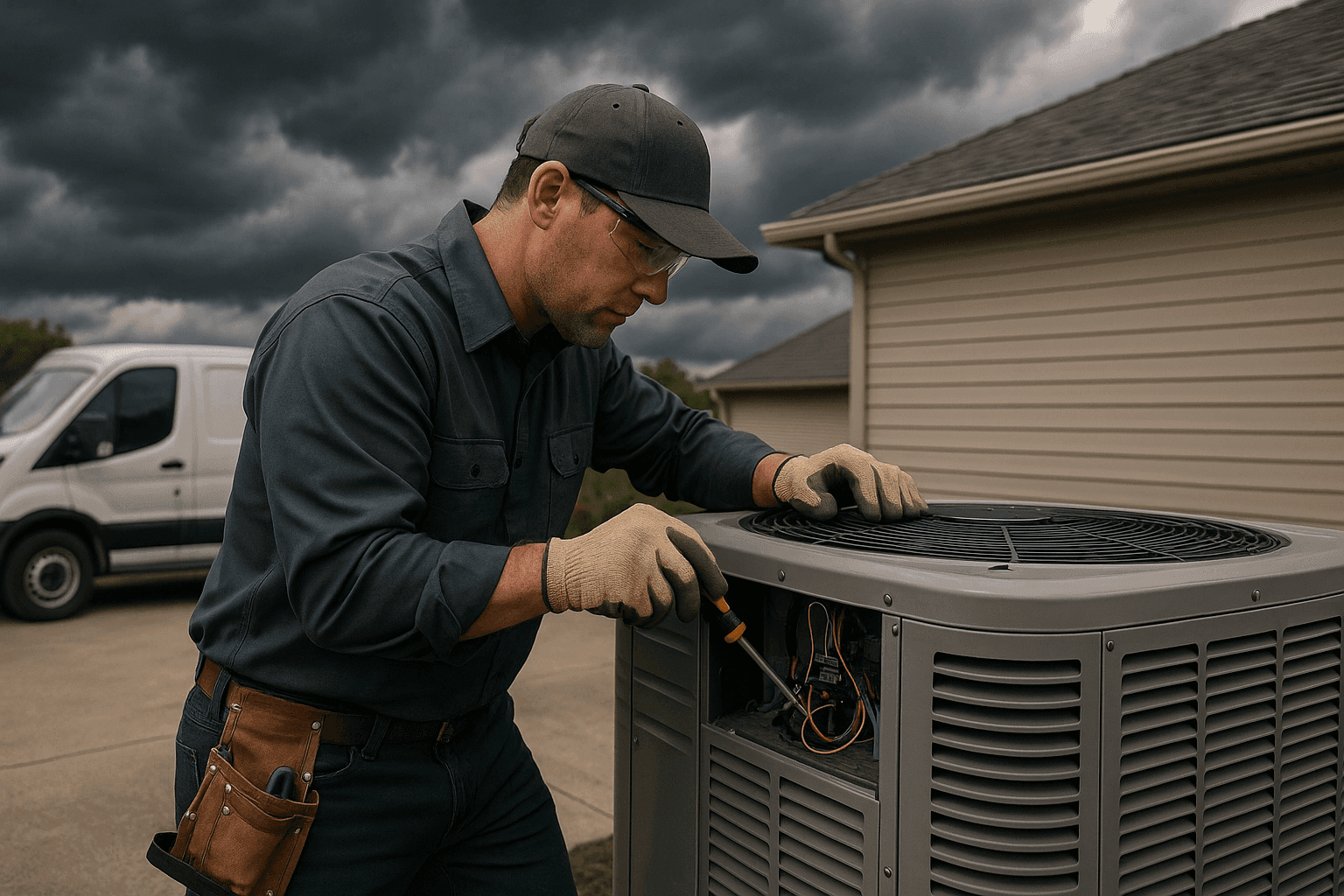
Extreme weather doesn’t knock. It barges in—sometimes with zero warning. Whether it’s a sudden freeze, a blistering heatwave, or a thunderstorm that rattles the windows, your HVAC system is the shield standing between you and the chaos outside.
At L.F. Heating & AC, we know the toll these events can take on your comfort and safety. Let’s walk through the smart moves every homeowner and small business owner should make to prepare their heating and cooling systems for whatever Mother Nature throws your way.
Understanding Weather Risks to Your HVAC 🌪️
When the weather turns wild, your HVAC system becomes the unsung hero—or the first casualty. Here’s what extreme conditions can do:
- Storms and Floods: Heavy rain, wind, and lightning can damage outdoor units, short electrical systems, and clog drains with debris.
- Freezing Temperatures: Ice can block vents, freeze coils, and crack pipes. Sudden temperature drops strain older systems, leading to breakdowns.
- Heatwaves: Nonstop operation can overheat motors, wear out capacitors, and push your AC past its limits.
- Power Outages: Loss of power means no heating or cooling—dangerous in both summer and winter.
According to the U.S. Department of Energy, regular HVAC maintenance is one of the best defenses against weather-related failures. Proactive steps now can save you from sweating (or shivering) later.
Seasonal HVAC Maintenance Checklist
Think of this as your weather armor checklist. A few hours of prep can keep your system running strong while the storm rages or the mercury soars.
Before Storms or Floods
- Secure outdoor units. Fasten down condensers and clear away loose objects that could become projectiles.
- Check drainage. Make sure gutters, downspouts, and outdoor unit drains are clear.
- Surge protection. Install a surge protector to shield sensitive electronics from lightning.
Before Freezes
- Insulate pipes. Wrap exposed refrigerant and water lines to prevent freezing.
- Change filters. Dirty filters restrict airflow, making your system work harder in cold snaps.
- Test heating. Run your furnace or heat pump before you need it—better to find problems now than on the coldest night.
Before Heatwaves
- Clean condenser coils. Dust and debris reduce efficiency. A quick rinse can lower temperatures and energy bills.
- Check refrigerant levels. Low refrigerant means your system will struggle when you need it most.
- Inspect thermostat settings. Make sure your thermostat is accurate and set for energy savings.
Year-Round Essentials
- Schedule professional maintenance. A licensed technician should inspect your system at least once per year.
- Replace filters regularly. Every 1–3 months, depending on use and indoor air quality needs.
- Keep vents open and unblocked. This ensures even airflow and prevents overheating or freezing.
Emergency HVAC Preparedness Tips
When the forecast looks grim, a little planning goes a long way. Here’s how to keep your cool (or warmth) in a pinch:
Backup Power Options
- Install a generator. A standby generator can keep your HVAC running during outages. L.F. Heating & AC offers generator installation and maintenance for peace of mind.
- Know your circuits. Label which breakers control your HVAC and essential appliances.
Smart Thermostat Settings
- Pre-cool or pre-heat your space. If a storm or outage is expected, adjust your thermostat a few degrees ahead of time.
- Set to “auto,” not “on.” This reduces wear and energy use during emergencies.
Emergency Supplies
- Stock extra filters. Clean filters help maintain airflow if you’re stuck indoors for days.
- Have batteries and flashlights ready. If your thermostat needs batteries, keep extras on hand.
Protecting Indoor Air Quality
- Use air scrubbers or purifiers. These help maintain healthy air even when windows must stay closed.
- Monitor humidity. Dehumidifiers and humidifiers can prevent mold growth and static shocks.
Signs You Need Emergency HVAC Service
Not every hiccup is a five-alarm fire, but some symptoms mean it’s time to call for emergency hvac help:
- No heat or cooling during extreme weather.
- Unusual noises (grinding, banging, or screeching).
- Burning smells or electrical odors.
- Water leaks or ice buildup.
- Breaker trips repeatedly when HVAC turns on.
If you spot these warning lights, don’t wait. Delaying repairs can turn a small fix into a major headache—sometimes even a safety hazard.
When to Call a Professional
DIY is great for changing filters or clearing debris. But when things get dicey, a certified technician is your best ally.
Call a Pro If:
- Your system won’t turn on, even after checking the thermostat and breakers.
- There’s visible damage to wiring or refrigerant lines.
- Strange odors or smoke come from vents or equipment.
- You hear loud, persistent noises.
- Indoor temperatures become dangerously hot or cold.
A professional will diagnose the issue, follow safety codes (like those from the National Fire Protection Association and the Air Conditioning Contractors of America), and get your system back online safely.
What Professionals Do on Arrival
When L.F. Heating & AC arrives for an emergency hvac call, here’s what you can expect:
- Thorough inspection. We check every component—inside and out—for visible damage, leaks, or electrical issues.
- Safety first. Technicians follow Occupational Safety and Health Administration (OSHA) guidelines to protect your property and their own safety.
- Rapid troubleshooting. Using industry-standard tools, we pinpoint the problem and explain your options.
- Temporary fixes (if needed). If parts aren’t available immediately, we’ll stabilize your system until a full repair can be made.
- Clear communication. We’ll walk you through what happened, what’s needed, and answer any questions.
Preventing Costly Breakdowns
A little prevention is worth a lot of repair bills. Here’s how you can keep your HVAC running smoothly, season after season:
- Schedule maintenance before the weather changes. Don’t wait until the first heatwave or freeze.
- Invest in quality air filters. Cheap filters clog quickly and let dust into sensitive components.
- Keep outdoor units clear. Trim back bushes and remove leaves to improve airflow.
- Ask about upgrades. Modern thermostats, air scrubbers, and surge protectors can add years to your system’s life.
Regular maintenance isn’t just about comfort—it’s about protecting your investment and avoiding the stress of emergency hvac repairs.
Costs & Time Factors
Emergencies are unpredictable, but understanding what to expect can ease the shock:
- Emergency service calls often cost more than routine appointments due to after-hours labor and immediate response.
- Repairs can take anywhere from an hour (for simple fixes) to several days (if parts must be ordered).
- Preventive maintenance is usually a fraction of the cost of emergency repairs.
- Upgrades like surge protectors or generators involve additional upfront investment but can save money in the long run.
Every situation is unique, but acting quickly and staying prepared helps keep costs down and comfort up.
When It’s an Emergency
Sometimes, waiting isn’t an option. Call for emergency hvac service if:
- Indoor temperatures become unsafe for people, pets, or sensitive equipment.
- Water or refrigerant leaks threaten property damage.
- There’s any sign of smoke, fire, or electrical hazard.
- Power outages leave you without heating or cooling during extreme weather.
Your safety comes first. If you’re ever in doubt, it’s better to be safe and call for professional help.
Frequently Asked Questions
How often should I schedule HVAC maintenance?
At least once a year for both heating and cooling systems. Before the start of each season is ideal.
Can I cover my outdoor unit before a storm?
You can use a manufacturer-approved cover, but remove it as soon as the storm passes. Never run your system with the cover on.
What should I do if my HVAC stops working during a power outage?
Turn off your system at the thermostat and breaker. Wait for power to return, then restart. If problems continue, call a professional.
Are generators safe for HVAC systems?
Yes, if installed by a licensed technician and sized correctly for your system’s needs.
Special Considerations for Emergency HVAC Prep
- Businesses with sensitive equipment (like server rooms) should have backup cooling plans.
- Homes with elderly, infants, or health concerns need reliable temperature control—consider redundant systems or generator backup.
- Air quality matters. Extreme weather can trap pollutants indoors, so invest in air scrubbers or IAQ testing if needed.
- Sheet metal and ductwork should be inspected for leaks or rust, especially after storms or flooding.
- Geothermal and radiant systems need special checks—ask your technician for details.
Don’t wait for the next storm or cold snap to test your luck. Get ahead of the weather with a professional inspection and maintenance from L.F. Heating & AC. Our team is ready 24/7 to help you stay comfortable and safe—no matter what’s brewing outside.
Call L.F. Heating & AC now — or reach us anytime at 877-748-7074 .