Kitchen Hood & Exhaust Installation: Safety and Code Tips
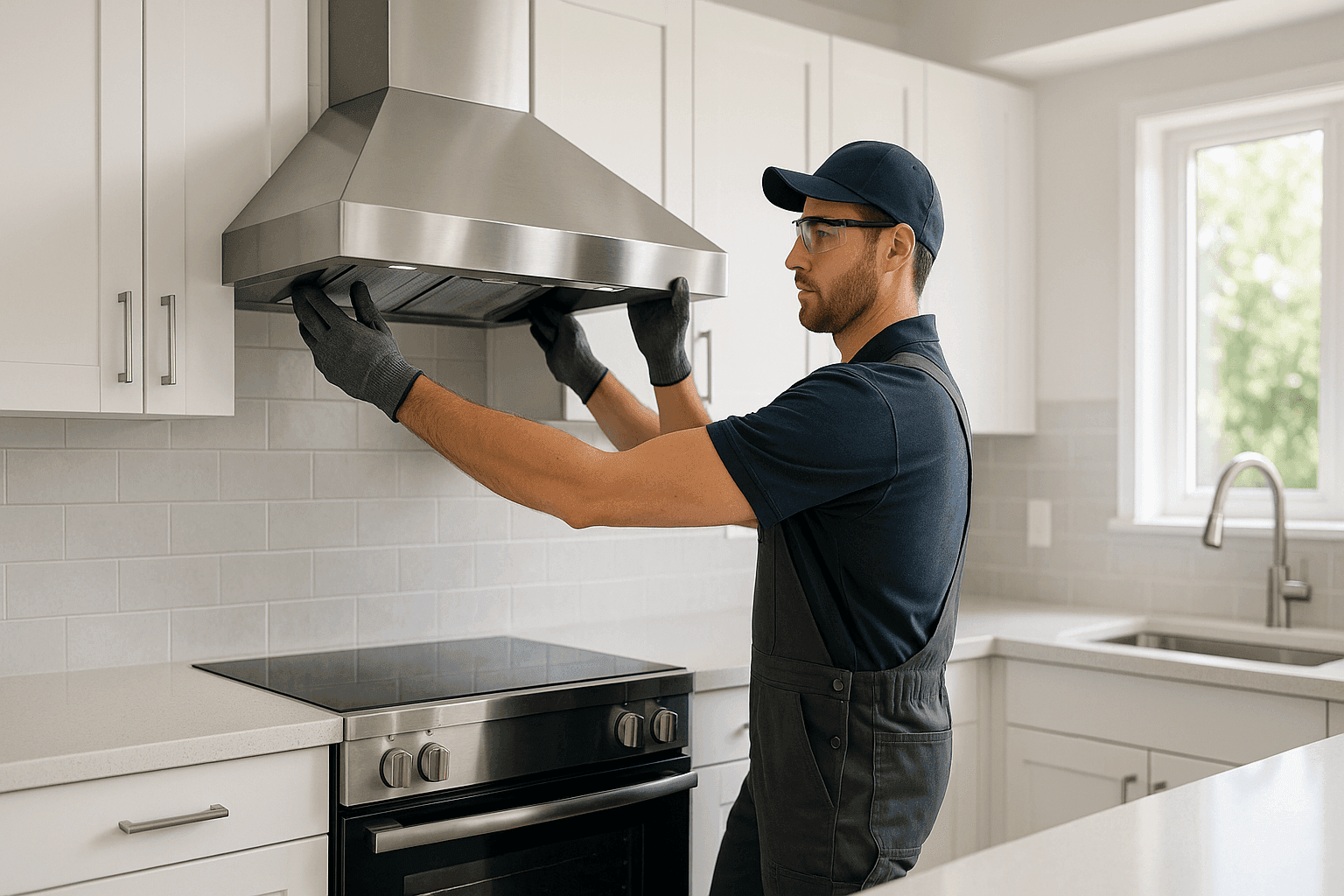
When smoke and steam start swirling in your kitchen, you need a hood and exhaust system you can trust. Grease, odors, and heat don’t just vanish—they need a clear exit. That’s where a proper installation makes all the difference.
At L.F. Heating & AC, we see how corners cut on kitchen ventilation can lead to hidden dangers. Whether you’re running a busy restaurant or upgrading your home kitchen, this is about more than comfort—it's about safety, air quality, and meeting the codes that keep everyone protected.
Why Kitchen Hood & Exhaust Installation Matters
A kitchen without the right exhaust is like a car without brakes. The risks are real:
- Fire danger: Grease buildup in ducts and hoods is a ticking time bomb. According to the National Fire Protection Association (NFPA), cooking equipment is the leading cause of home fires and injuries.
- Poor air quality: Smoke, particulates, and carbon monoxide can linger. That’s not just unpleasant—it’s unsafe, especially for kids, seniors, and anyone with breathing issues.
- Code violations: Municipalities don’t make up rules for fun. Proper venting, fire suppression, and clearances are required for a reason—your safety.
Kitchen Hood Safety Checklist ✅
Before you flip on your new range, check these must-haves:
- Proper clearance: Residential codes (per International Residential Code) call for at least 24–30 inches between the stovetop and hood. Commercial kitchens often need larger clearances.
- Ductwork: Use smooth, metal ducts—no plastic or flex pipe. Short, direct runs are best.
- Vent outdoors: Never vent into attics, crawlspaces, or wall cavities. All exhaust must exit the building envelope.
- Fire suppression: Commercial hoods (per NFPA 96) require automatic fire suppression systems. Residential models generally don’t, but high-BTU installations may need added safety devices.
- Make-up air: High-powered hoods can depressurize a kitchen. Make-up air systems prevent back-drafting and air quality issues.
- Proper filters: Baffle filters for commercial. Mesh or baffle for home. Clean or replace regularly.
- Accessible cleanouts: Ducts must have access panels for inspection and cleaning.
- Electrical: GFCI outlets and dedicated circuits are a must. Never use extension cords.
- Permits & inspections: Always pull the required permits and schedule inspections.
DIY vs. Call a Pro 🛠️
Installing a hood can look simple—until you’re halfway through, balancing a 60-pound sheet of stainless steel over your head. For basic, over-the-range hoods in a home kitchen, some handy folks can manage with careful reading and patience.
But, when you face any of these, call a certified HVAC technician:
- Upgrading to a commercial-grade hood.
- Running new ductwork through walls, ceilings, or roofs.
- Needing fire suppression or make-up air systems.
- Working in a commercial kitchen (restaurant, café, food truck).
- Unsure about code requirements or permits.
Remember: improper installation can void warranties, cause insurance headaches, or even put your family and staff at risk.
What Pros Do On Arrival
When L.F. Heating & AC arrives, we come prepared—codebooks in hand and safety on our minds.
- Inspect the space: Measure clearances, check existing vent paths, and assess electrical.
- Review plans: Ensure the hood matches the cooking equipment and meets International Mechanical Code (IMC) or local amendments.
- Check structure: Confirm mounting surfaces can bear weight. Reinforce as needed.
- Install ductwork: Use proper materials, slope ducts to drain grease, and seal all joints.
- Set up the hood: Mount securely, level, and connect to duct and power.
- Add fire suppression (if needed): For commercial installs, place nozzles per manufacturer and code.
- Test the system: Check airflow, noise, and proper venting outdoors.
- Final inspection: Walk through with customer, review maintenance, and schedule city inspections.
Prevention & Maintenance: Keeping Your Kitchen Safe
Like a car’s oil change, regular cleaning and inspection of your hood and exhaust keep things running right.
- Clean filters: Monthly for home use, weekly (or more) for commercial kitchens.
- Wipe down hood surfaces: Grease is fuel for flames. Don’t let it build up.
- Schedule duct cleaning: Commercial: every 3–6 months (NFPA 96). Residential: yearly or as needed.
- Test airflow: Poor suction? Call for IAQ Testing near you.
- Inspect fire suppression: Commercial systems should be inspected semi-annually by certified technicians.
Costs & Time Factors
No two kitchens are identical. But here’s what shapes the cost and timeline:
- Hood type: Basic home hoods are quicker and less expensive. Custom or commercial models take more time.
- Ducting complexity: Straight shots are easier than bends or long runs.
- Fire suppression: Adds cost and time for commercial installs.
- Permitting: Some cities require multiple inspections, which can add days or weeks.
- Labor: Emergency hvac service or after-hours installs may come at a premium.
Home installs might take a few hours to a day. Commercial jobs often span several days, including inspections.
When It’s an Emergency 🚨
If your kitchen smells like smoke, you hear a loud rattling, or your hood just stops working—don’t wait.
- Electrical smells or sparks: Shut off power immediately.
- Grease fires in the hood: Use the hood’s fire suppression system (if present), then evacuate.
- Visible duct damage or leaks: Call for emergency hvac help—improper venting can quickly become a safety hazard.
- Backdrafting: If smoke is blowing back into the kitchen, leave and call for help. Carbon monoxide is invisible and deadly.
Remember, round-the-clock service is there for a reason. Don’t risk it.
FAQ: Kitchen Hood & Exhaust Installation
Do I really need a hood over every stove?
Most building codes require a vented hood over gas or high-BTU cooktops. Induction and electric may allow recirculating hoods, but vented is always best for air quality.
What’s the difference between Type I and Type II hoods?
Type I: Handles grease and smoke (required over fryers, grills, ranges).
Type II: For heat or steam (ovens, dishwashers). Codes vary by municipality.
How often does my commercial hood need inspection?
NFPA 96 says every 6 months at minimum, sometimes quarterly for high-volume kitchens.
Can I hide ductwork in the walls?
All ductwork must be accessible for cleaning and inspection. Concealed ducts are a code violation and a fire risk.
Local & Seasonal Considerations
Humidity, temperature swings, and local air quality can affect kitchen ventilation. In humid climates, ducts need to be insulated to prevent condensation and mold. Cold weather? Proper make-up air is crucial so you don’t pull in freezing outdoor air or backdraft dangerous gases.
L.F. Heating & AC’s team brings local permitting knowledge and code-certified installation. We know which rules apply in your area, and how to keep your kitchen both safe and up to code—whether you’re running a home kitchen or a bustling restaurant.
A safe, code-compliant kitchen is always worth the investment. Don’t let a shortcut today become an emergency tomorrow.
Call L.F. Heating & AC now — or reach us anytime at 877-748-7074 .