Preventing HVAC Emergencies: Essential Tips for Homeowners and Small Businesses
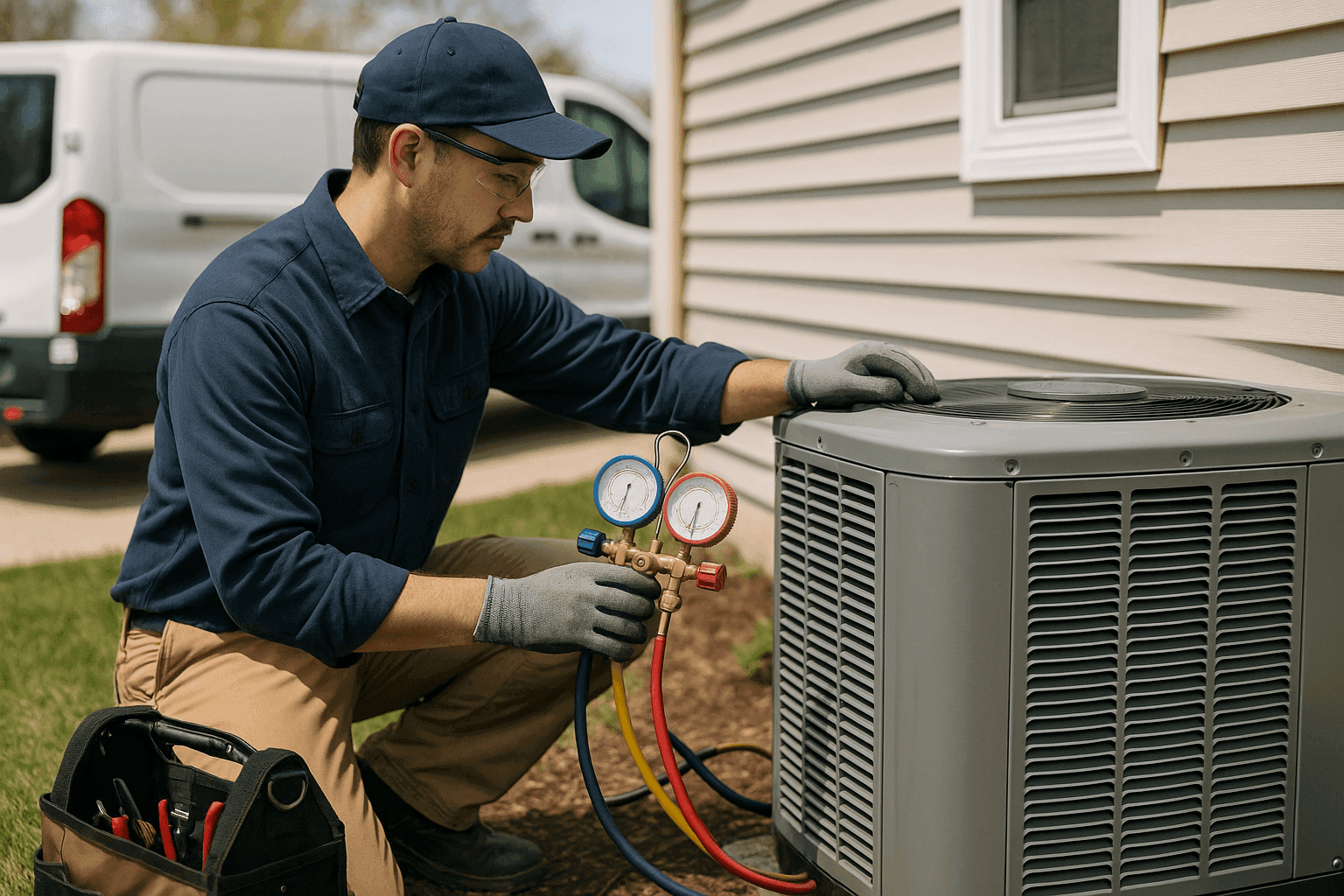
When your heat cuts out in the dead of winter, or your AC quits during a heatwave, panic sets in fast. For homeowners and small business owners, an emergency HVAC breakdown can mean discomfort, lost business, or even dangerous situations.
But most emergencies don’t happen overnight. At L.F. Heating & AC, we’ve seen that a little prevention goes a long way. With the right maintenance and a watchful eye, you can avoid most headaches—and keep your space comfortable year-round.
Understanding Common Causes of HVAC Emergencies 🛠️
Think of your HVAC system like a car. Ignore the oil changes, and sooner or later, you’re stuck on the roadside. The same goes for heating and cooling equipment. Most emergency hvac calls start with small problems that snowball.
Typical Failure Points:
- Clogged air filters: Like trying to run with a cloth over your mouth—your system struggles and overheats.
- Electrical issues: Loose wires, blown fuses, or tripped breakers can shut everything down.
- Refrigerant leaks: Without enough refrigerant, your AC can’t cool. Sometimes, it even ices up.
- Frozen coils: Usually from low airflow, dirty filters, or refrigerant problems.
- Thermostat malfunctions: If your “brain” isn’t working, nothing else will.
- Blocked vents and ducts: Like pinching a garden hose—air can’t get where it needs to go.
- Drainage problems: Clogged condensate lines can cause water leaks or system shutdowns.
- Old or worn-out parts: Belts, motors, and capacitors don’t last forever.
Warning Signs to Watch For:
- Odd noises (banging, grinding, hissing)
- Unusual smells (burning, musty, chemical)
- Weak airflow or uneven temperatures
- Short cycling (system turns on and off rapidly)
- Sudden increase in energy bills
The U.S. Department of Energy and the Air Conditioning Contractors of America (ACCA) both stress that early attention to these warning signs can prevent most emergencies.
Routine Maintenance Best Practices
Routine care is the backbone of a healthy HVAC system. It’s less about fancy tools and more about consistency.
Change Filters Regularly
A dirty filter is the #1 cause of breakdowns. Change it every 1–3 months, or more if you have pets, allergies, or run your system often. Think of it as brushing your teeth—skip it, and problems build up fast.
Clean Ducts and Vents
Dust, debris, and even mold can hide in your ductwork. Schedule professional duct cleaning every few years, or sooner if you notice dust blowing from vents or worsening allergies. This keeps air flowing freely and improves indoor air quality.
Check Thermostats
Test your thermostat every season. Make sure it responds quickly and accurately. If it’s old or uses mercury, consider upgrading to a programmable or smart thermostat for more consistent comfort and efficiency.
Inspect the System
- Visual check: Look for rust, leaks, or loose connections.
- Listen: Any new or unusual noises? Don’t ignore them.
- Outdoor units: Clear away leaves, grass, and debris from around your AC or heat pump.
- Condensate drain: Make sure it’s draining freely—standing water is a red flag.
Schedule Professional Tune-Ups
A certified technician will:
- Check refrigerant levels and pressures
- Lubricate moving parts
- Inspect electrical connections
- Test safety controls
- Clean coils and blower components
- Calibrate thermostats
The National Air Duct Cleaners Association (NADCA) and the EPA both recommend annual maintenance for best results.
Preparing Your HVAC System for Seasonal Changes and Extreme Weather
The change of seasons is prime time for HVAC issues. Preparation keeps your system strong—like putting on snow tires before winter.
Spring and Summer Prep
- Test your AC early: Don’t wait for the first heatwave.
- Clean outdoor coils: Gently hose off dust and dirt.
- Check refrigerant: Low levels mean trouble.
- Replace filters: Start the season fresh.
- Clear condensate drains: Prevent water damage.
- Shade your outdoor unit: Reduces strain and improves efficiency.
Fall and Winter Prep
- Inspect your furnace: Look for rust, cracks, or soot.
- Test your heating system: Don’t wait for a cold snap.
- Seal ducts and windows: Keep warm air in, cold air out.
- Insulate pipes: Prevent freezing and bursting.
- Check carbon monoxide detectors: Safety first.
Storm and Extreme Weather Readiness
- Secure outdoor units: Tie down or cover if high winds are expected.
- Generator maintenance: Test your backup generator so you’re not left in the dark.
- Surge protection: Power surges can fry HVAC electronics.
- Clear snow and ice: Keep vents and exhaust pipes unobstructed.
When to Call a Professional
DIY is great for small fixes, but some things are best left to the pros. A certified technician knows the codes, safety standards, and hidden trouble spots.
Call L.F. Heating & AC if:
- You smell gas or burning
- The system won’t turn on, or keeps tripping breakers
- There’s water pooling around your unit
- You hear loud or persistent noises
- The air feels stuffy, humid, or musty even after filter changes
- You see ice on coils or lines
- The system short cycles or blows only lukewarm air
Remember, emergency hvac service is available 24/7—but early action saves money and stress.
Actionable Prevention Strategies
Here’s how you can keep your system running smoothly all year:
- Set reminders for filter changes and seasonal checks
- Keep vents clear of furniture, rugs, or clutter
- Don’t ignore small problems—they rarely fix themselves
- Schedule annual maintenance with a licensed technician
- Test your system early each season, not during the first extreme weather event
- Upgrade old thermostats for better control and efficiency
- Monitor humidity—too much or too little can cause issues
- Consider indoor air quality solutions like air scrubbers or dehumidifiers
Following guidelines from the American Society of Heating, Refrigerating and Air-Conditioning Engineers (ASHRAE) helps ensure your system is safe and efficient.
Frequently Asked Questions
How often should I schedule professional HVAC maintenance?
At least once a year for each system—ideally, spring for AC, fall for heating. More frequent checks may be needed for older equipment or heavy use.
What’s the fastest way to tell if my HVAC system is in trouble?
Listen for new noises, watch for weak airflow, and check for spikes in your energy bill. If something feels off, call for help before it gets worse.
Are smart thermostats worth it?
Yes. They offer better temperature control, can lower energy bills, and often provide alerts if something’s wrong with your system.
Can I clean my ducts myself?
Surface vents can be vacuumed, but deep duct cleaning should be left to certified professionals with the right equipment.
Special Considerations for Businesses
For small business owners, HVAC outages can mean lost revenue and unhappy customers. Consider these extra steps:
- Install surge protection to guard against electrical spikes
- Set up regular after-hours maintenance to avoid business disruptions
- Use programmable thermostats to manage comfort and cost
- Schedule indoor air quality testing for employee and customer health
- Have a backup generator maintained and ready for critical systems
Commercial codes may require more frequent inspections—check with the International Mechanical Code (IMC) or your building manager for specifics.
Preventing HVAC emergencies isn’t just about comfort—it’s about safety, savings, and peace of mind. With regular maintenance and a little know-how, you can keep your home or business running smoothly, no matter what the weather throws your way.
Call L.F. Heating & AC now — or reach us anytime at 877-748-7074 .